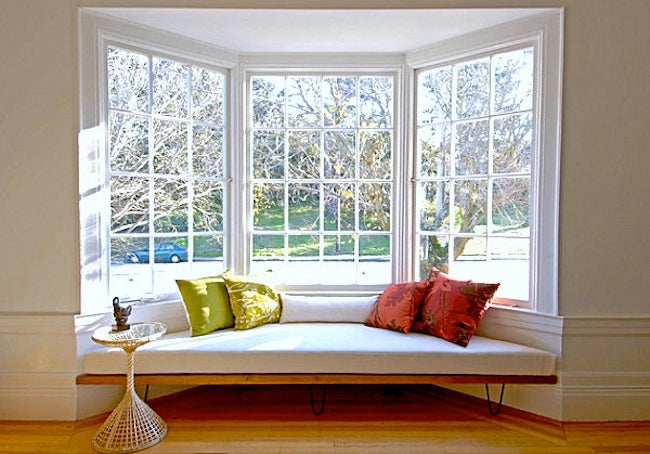
Casement window: A window that opens by swinging inward or outward much like a door. Casement windows are usually vertical in shape but are often grouped in bands.

Clapboard: Also known as weatherboard or siding. Long, narrow boards overlapped to cover the outer walls. Used in Colonial style frame houses.

Dormer: The setting for a vertical window in the roof. Called a gable dormer if it has its own gable or shed dormer if a flat roof. Most often found in upstairs bedrooms.

Eaves: That portion of the roof that projects beyond the wall.

Facade: The front or "face" of a building.

Fanlight: A semicircular or arched window above a door.
.JPG)
Gable: The triangular section of a wall formed by the end of a pointed (gabled) roof.

Gambrel: A roof with two slopes on each side, the lower slope having the steeper pitch. Often found in Colonial revival houses in the "Dutch" style.

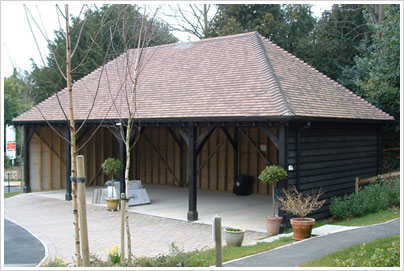
Hipped Roof: A roof with slopes on all four sides. The "hips" are the lines formed when the slopes meet at the corners.
Palladian window: A three part window featuring a large arched center and flanking rectangular sidelights.

Pediment: A triangular crown used over doors, windows, or porches. A classical style.

Portico: A larger porch usually with a pedimented roof supported by classical columns or pillars.

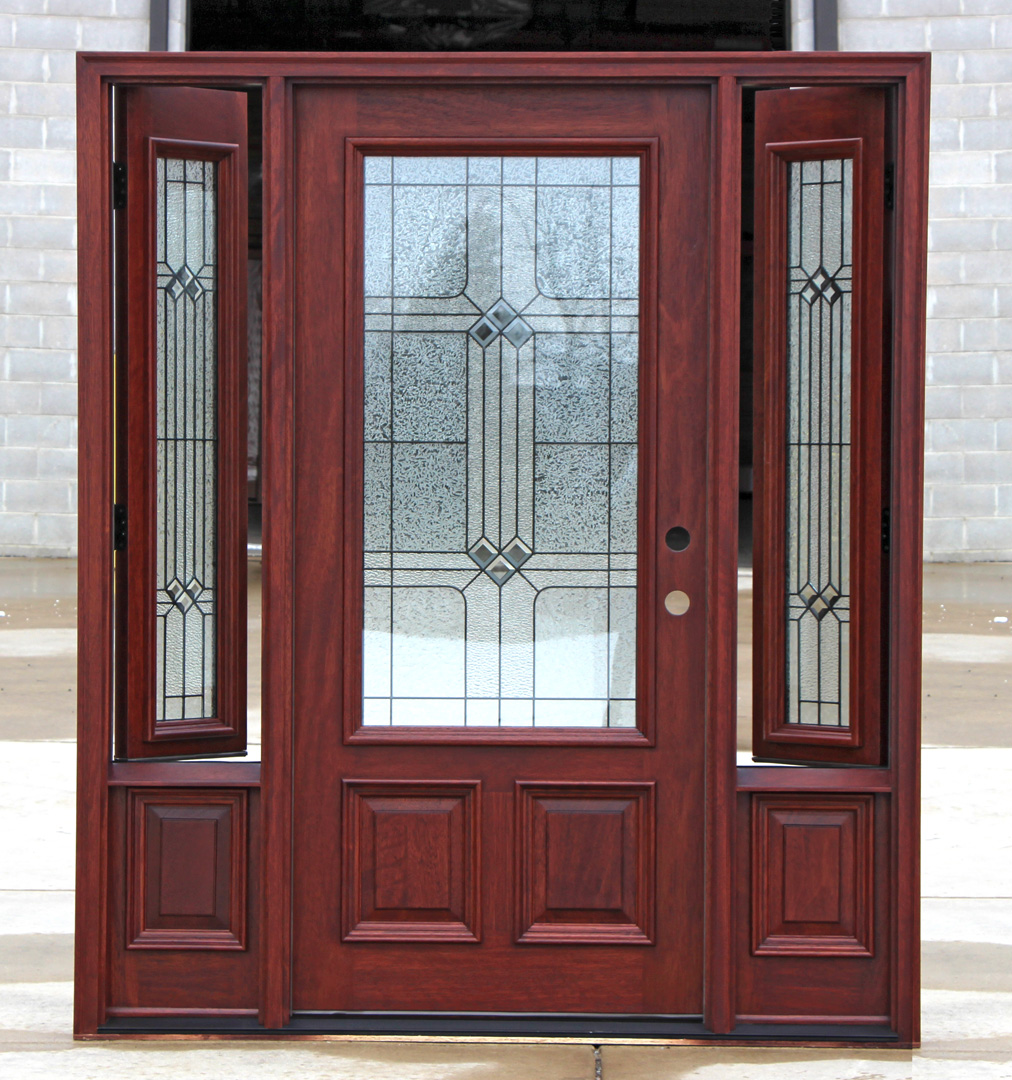
Sidelights: Windows on either side of a door.
Stucco: A mixture of cement, sand, and lime applied to exterior walls as a covering.


No comments:
Post a Comment